Sedona, Arizona: Our First Real Step Into the Road
Sedona wasn’t the easiest first destination to pick, especially coming from Washington, but that was exactly why it felt right. It was far enough that we couldn’t treat it like a casual weekend trip, and once you commit to a drive that long, the mindset changes with every hour. The road starts to feel less…
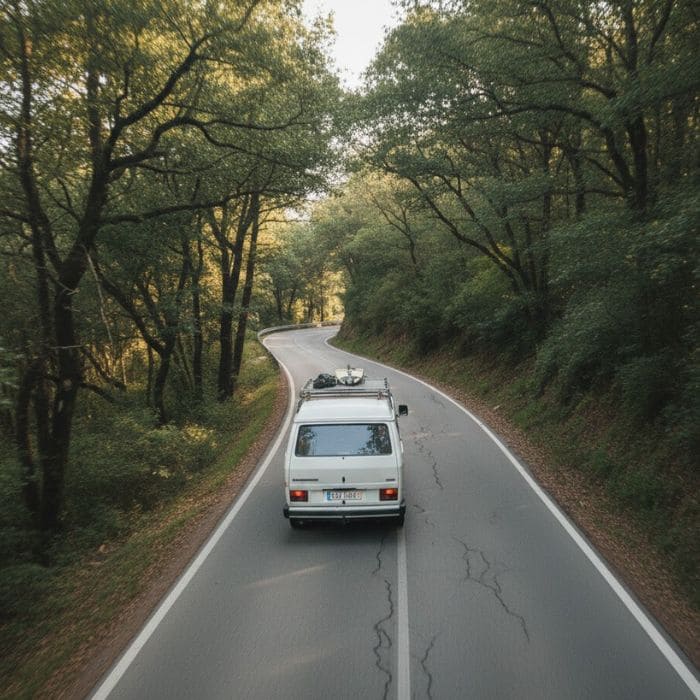
Sedona wasn’t the easiest first destination to pick, especially coming from Washington, but that was exactly why it felt right. It was far enough that we couldn’t treat it like a casual weekend trip, and once you commit to a drive that long, the mindset changes with every hour. The road starts to feel less like a route and more like a decision.
Sedona also had a strange connection to my old life. My very first IT project involved a customer from the Southwestern U.S., and he wasn’t the usual all business type. He was friendly, steady, and he genuinely liked talking about where he lived, the kind of person who treats a contract meeting like a human conversation instead of a negotiation.
At the end of one call he said something I didn’t forget, even after the project ended: I needed to come back and visit Sedona. Back then I was busy in the way people are when they think busy is normal, so I nodded and moved on, and Sedona became one of those places filed under someday.
Then van life happened, and someday stopped being a comforting word. It started sounding like a trap. So Sedona became our first destination on purpose.
First Morning in Sedona: 7:00 a.m. and Everything Felt Bigger
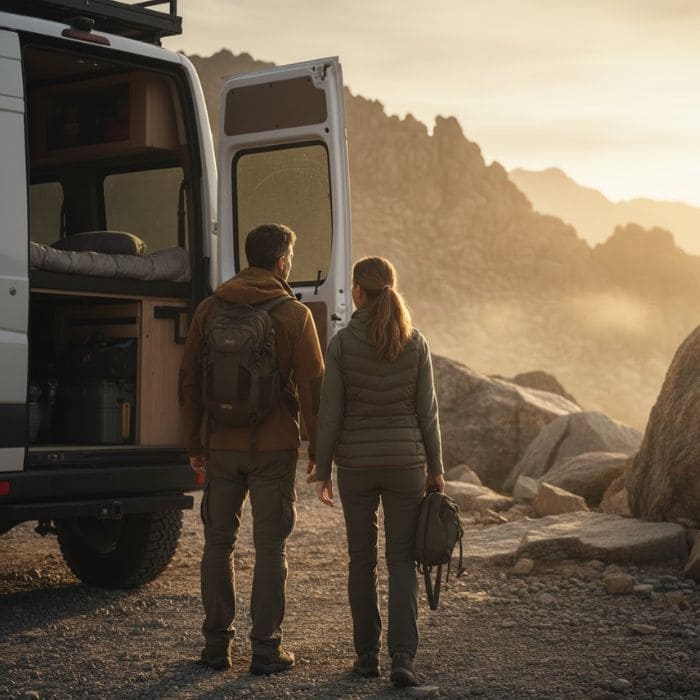
We rolled into Sedona around 7:00 a.m., almost two days after leaving Washington. That time mattered. The town was awake but not crowded yet, and the air had that early-morning clarity that makes colors look sharper than they do later in the day.
Even before fully stepping out, you could feel the place was different. Sedona sits at roughly 4,360 feet in elevation, and the cooler morning air makes the whole landscape feel crisp and clean.
Then the red rocks started to show themselves, not as one big wall, but as massive shapes rising around town in every direction. Sedona is only about 18.3 square miles, but the scenery makes it feel much larger, like the town is tucked into a natural amphitheater of stone.
What surprised me right away was how the rocks don’t look like one color. In the morning light, they shift from deep rust to orange, then to softer pink and gold along the edges, and you start noticing layers, as if the cliffs were built in slow motion over time.
A lot of what you’re seeing is red sandstone, especially the Schnebly Hill Formation, which is a thick layer of dark red sandstone that’s a major part of Sedona’s famous red rock scenery.
The Van Life Feeling Hit Me First
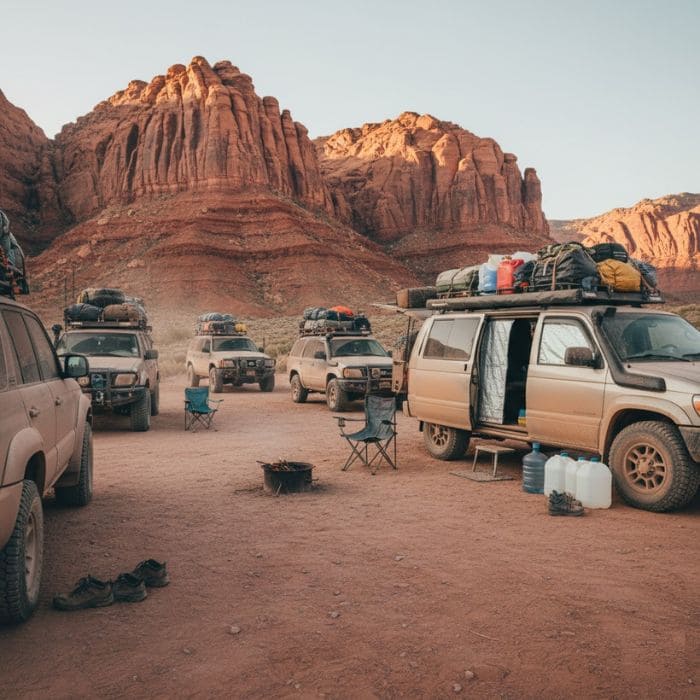
Before we even reached our first viewpoint, I noticed the cars. Not fancy cars, but Dusty SUVs with hiking boots on the floor. Vans with window covers and water jugs. Roof racks loaded like someone’s been out for days. Sedona has this magnetism where you can tell people come here to do something, not just see something, and that made me feel like we picked the right place to begin.
My wife was excited in a way I hadn’t seen in a long time, and it wasn’t only because the scenery was beautiful. It was the energy of arriving somewhere with no work schedule pushing us forward, no we have to be back by Sunday night, no mental countdown. Just morning light, a warm drink, and the feeling that the day belonged to us.
What Makes Sedona So Beautiful Up Close
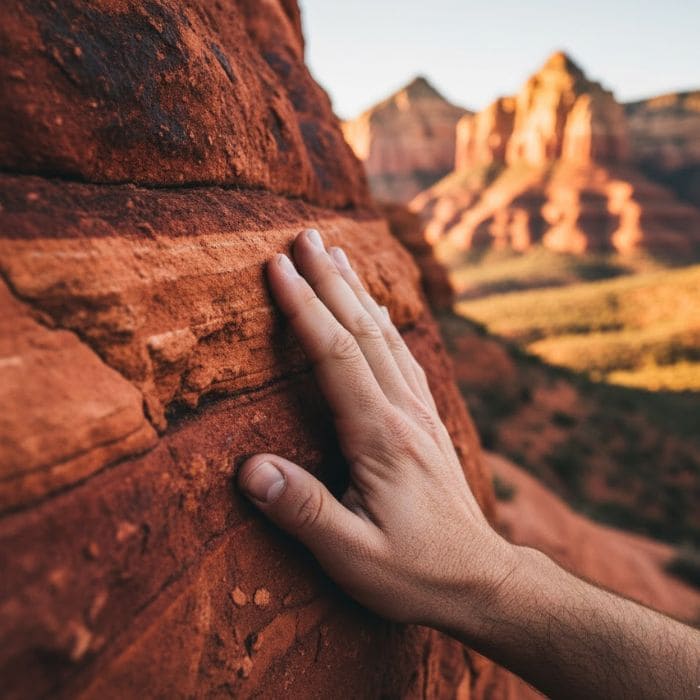
Sedona’s beauty isn’t only about big views. It’s also in the details. The rock faces have a gritty, sandy texture when you look closely, and the cliffs show clear bands and layers that make you realize you’re looking at time, not just scenery.
The red color comes from iron staining in the sandstone, which is part of why those formations glow when the sun hits them right.
You also start noticing how the landscape is built in levels. Some formations are broad and rounded, while others rise like spires or stacked shelves. In certain angles, the rocks look carved, almost sculpted, but they’re really shaped by weather, wind, and time.
The Best Parts of Sedona, in My Opinion
If this is your first time in Sedona, these are the places that feel like the “core” of it, even if you only have a short trip:
- Bell Rock area: It’s accessible, it hits you with that “wow” factor fast, and it’s great early in the morning before the parking fills.
- Cathedral Rock views: This is the Sedona postcard look, and in morning or late-day light it’s unreal.
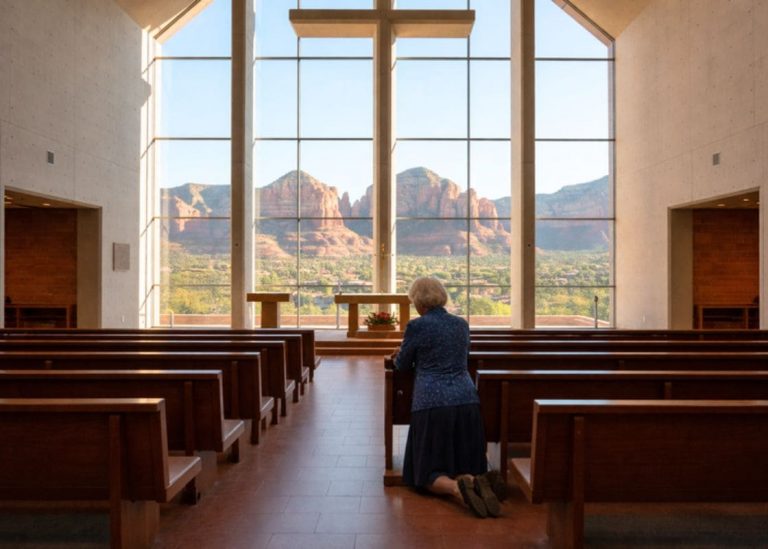
- Chapel of the Holy Cross: Even if you’re not coming for the spiritual side, the view alone is worth it.
- Devil’s Bridge: Iconic, but it gets busy, so timing matters.
(Those spots are also popular for a reason, which means crowds and parking can become part of the experience if you arrive late.)
Personal Tips From Our First Visit
These are the small things that made our Sedona experience smoother and more enjoyable:
Start early, and I mean truly early. Parking at popular trailheads can fill up by mid-morning during busy seasons, so arriving around sunrise is one of the easiest cheat codes for Sedona.
If you plan to hike, look into the Red Rock Pass situation ahead of time, because many trailhead parking areas require it, and it’s better to handle that calmly instead of scrambling when you’re excited to start.
Additionally, give yourself at least one no plan block. Sedona is the kind of place where a random pull-off can become your favorite memory, and if every hour is scheduled, you miss the best part of being there.
For couples like us, do one early activity together, then slow down later. The morning energy is perfect for exploring, and the afternoon is when you’ll appreciate a simple lunch, a scenic drive, or just sitting somewhere quiet watching the light change on the rocks.