We Learned Meditation in the San Luis Valley
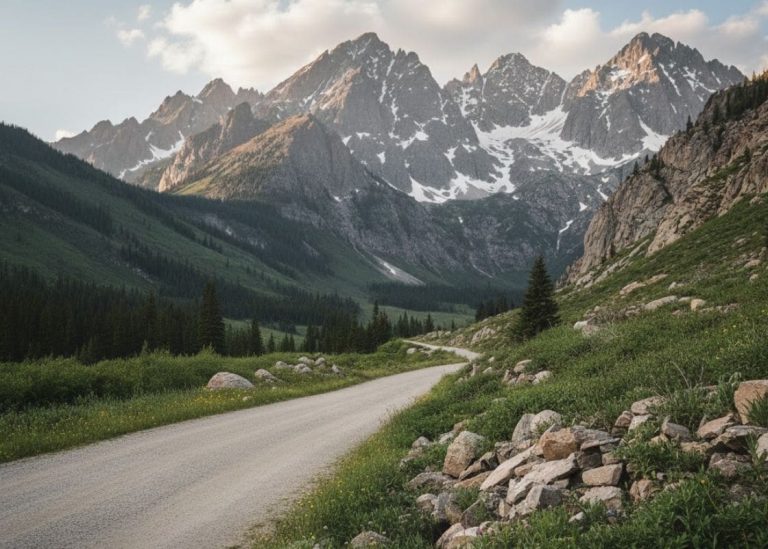
We arrived San Luis Valley after a long stretch of driving that had been beautiful but tiring, and when the valley opened up it felt like someone had widened the horizon on purpose, with the Sangre de Cristo mountains holding one side like a protective wall and the flat valley floor stretching out the other…
We arrived San Luis Valley after a long stretch of driving that had been beautiful but tiring, and when the valley opened up it felt like someone had widened the horizon on purpose, with the Sangre de Cristo mountains holding one side like a protective wall and the flat valley floor stretching out the other way until distance stopped looking like distance and started looking like atmosphere.
By the time we rolled closer to Crestone, the pace of everything seemed naturally slower.
The First Morning We Saw How People Really Practice Stillness
The most convincing thing about San Luis Valley was that nobody tried to sell us enlightenment, and nobody spoke about meditation like it was a personality trait.
The people who live there and practice there seem to treat stillness like hygiene, something you do because it keeps your life clean, not because it looks impressive.
We woke up before sunrise, partly because the night had been cold and the van always wakes you up early when the air outside drops, and partly because the valley light starts changing in subtle ways long before the sun actually appears.
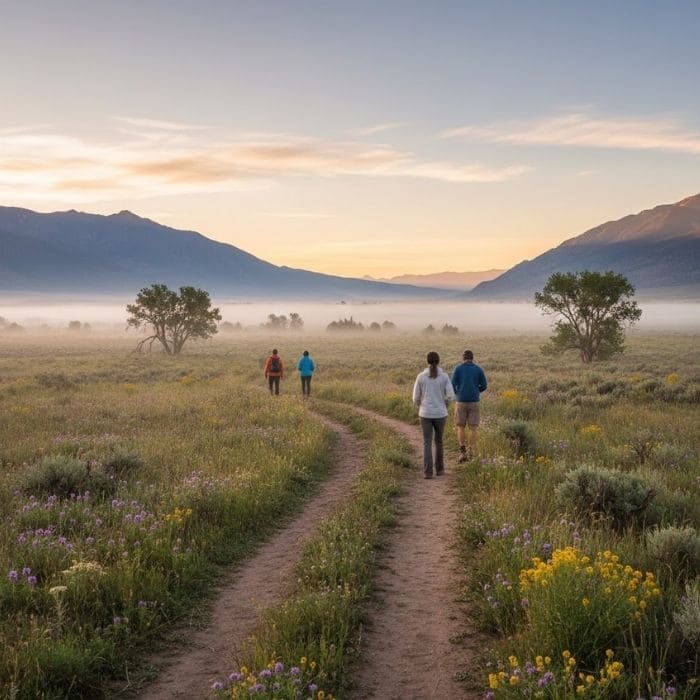
In the distance, there were a few small points of warm light from buildings that looked modest and grounded, and as we drove slowly along a narrow road we saw people walking without hurry, some alone and some in small pairs, moving toward a simple building that blended into the landscape like it wasn’t trying to be noticed.
Learning the Method Without Being Treated Like Beginners
I had expected meditation to be taught with lots of talking, but what we learned in San Luis Valley came more through structure than explanation, because the method was simple enough to follow and strict enough to keep your mind from negotiating with itself.
The practice that helped me most was basic breath attention with posture that actually supports the breath, which meant sitting in a way that kept the spine upright, shoulders relaxed, and hands resting naturally.
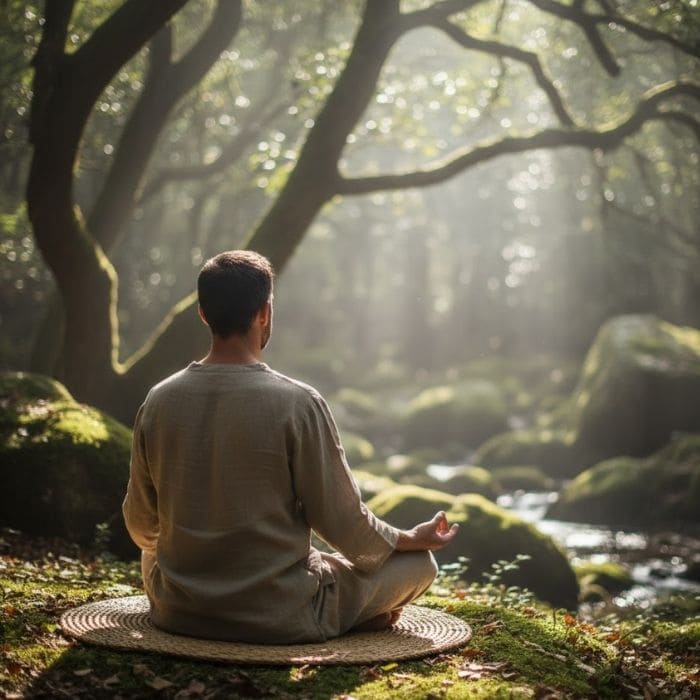
Whenever the mind wandered, which it did constantly at first, the instruction was not to fight it, but to notice it and come back to breathing without adding commentary, without turning it into a problem you have to solve.
It sounds simple written like that, but the first session showed me how loud my own brain had become after years of living at high speed, because my thoughts were not peaceful at all in the beginning.
For a while it felt like my mind was trying to prove that sitting still was a waste of time, offering grocery lists, travel plans, old work stress, made-up arguments, and worries that suddenly felt urgent for no good reason.

Amanda surprised me, she stayed steady through the discomfort, and when we took a short break she leaned toward me and whispered that she understood now why people come here.
Over the next sessions, we learned small practical details that made a huge difference, like softening the jaw when you notice tension, keeping the tongue relaxed, letting the belly move with the breath instead of holding it, and allowing discomfort to exist without immediately adjusting every ten seconds.
The People Who Helped Us Without Making It a Big Deal
There was an older man who volunteered there, someone with sun-worn hands and a calm way of speaking.
He noticed I was trying too hard, the way people do when they treat meditation like a task they must succeed at, so he gave me advice that was almost annoyingly simple: sit like you are not fighting anything, and breathe like you are not trying to control the room.
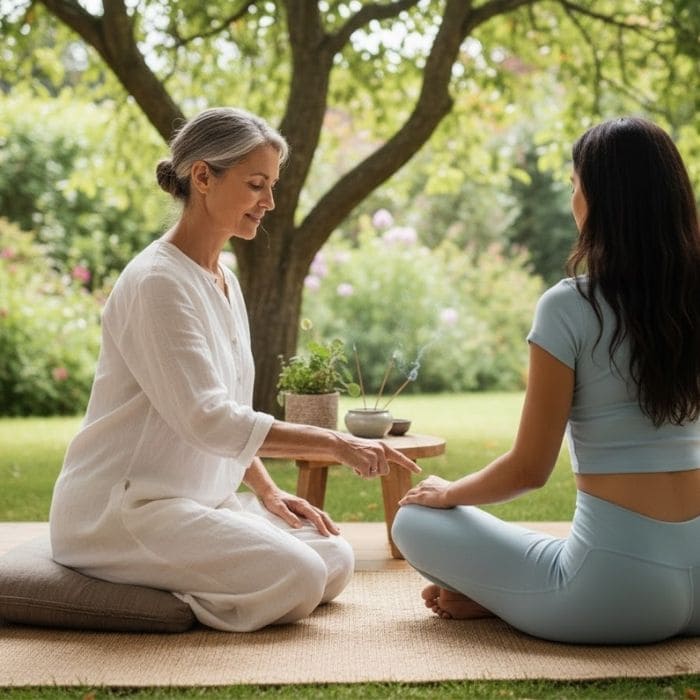
A woman who had been practicing for years, showed Amanda a small adjustment for her knees using an extra cushion so she could sit longer without pain.
She did it with the same casual kindness you’d use to offer someone a chair at a family gathering, and that small act changed Amanda’s whole relationship with the practice because discomfort stopped being the main story.
What I appreciated most was that nobody treated us like outsiders in a forced-friendly way, but people still offered guidance through small gestures.
How We Brought Meditation Back to the Van
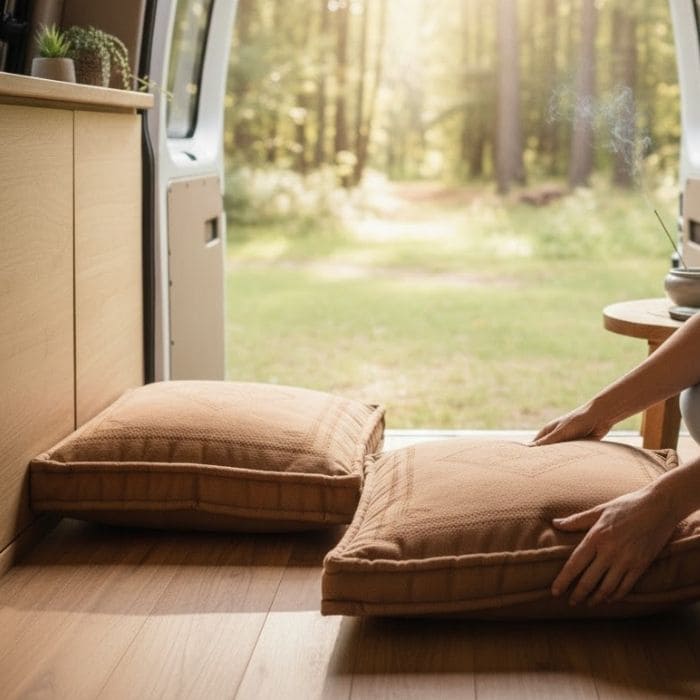
The most useful part of learning meditation in San Luis Valley was figuring out how to practice without needing the meditation hall, because our life is not stationary, and anything we keep has to travel with us.
So we built a simple routine that worked in the van, which meant choosing a consistent time, usually early morning when the world is quieter and the mind is less crowded, and creating a small seat with two cushions so our hips were supported and our knees were not strained, because if the body hurts, the mind turns meditation into a complaint session.
We kept the practice short enough to be sustainable. A few practical things helped more than I expected, like doing a quick stretch before sitting, keeping water nearby, setting the phone aside instead of using it as a timer you keep checking.
A Few Honest Tips If You Want to Learn Meditation From Real Communities
If you want to learn from a place like San Luis Valley, the biggest tip is to arrive with respect, because communities that practice seriously tend to value quiet and simplicity more than social energy.
It also helps to dress for comfort and warmth, because the valley can feel cold in the morning, and being physically tense makes meditation harder, so layers, socks, and a warm drink afterward can turn the practice into something you look forward to rather than something you endure.
If you are traveling as a couple, it helps to agree that each person will have their own pace, because Amanda and I learned different things at different speeds, and trying to match each other would have turned meditation into competition, which defeats the whole point.
Most importantly, treat the first sessions like learning a language, because you will not be fluent immediately, and the awkwardness is not failure, it is the beginning.