I Never Planned For A Snakebite in the North Woods
Before this trip, I genuinely believed I had thought through almost every situation that could happen on the road, from flat tires and bad weather to getting stuck without signal or food. But snakebite was never on that list, not even remotely, because in my head snakes belonged to warmer places, deserts, or tropical forests,…
Before this trip, I genuinely believed I had thought through almost every situation that could happen on the road, from flat tires and bad weather to getting stuck without signal or food.
But snakebite was never on that list, not even remotely, because in my head snakes belonged to warmer places, deserts, or tropical forests, not the cool, leaf-covered trails of the northern United States where everything feels calm, damp, and deceptively gentle.
That belief followed me into places like Superior National Forest in Minnesota, stretches near the Boundary Waters Canoe Area, and later into forested areas farther west, where the ground is soft with years of fallen leaves and the air smells like moss and pine, and where you walk more by instinct than by careful inspection because the trail feels familiar and safe.
The Moment Everything Changed Under the Leaves
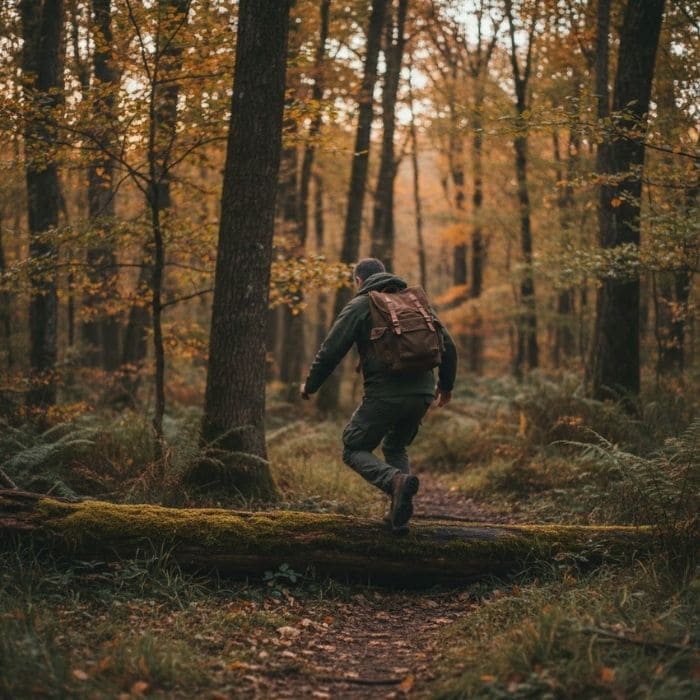
On that day, we had already been walking for about five miles, the kind of distance that makes your body a little careless because fatigue creeps in quietly, and your feet start landing where they land without your brain double-checking every step.
I remember jumping lightly off a small log, not dramatically, just enough to clear a muddy patch, and the second my foot hit the ground.
I felt a sharp, fast sting through my ankle that didn’t match the terrain at all, and before my brain could explain it away, the words came out of my mouth on their own.
“Oh my God. I’ve been bitten.”
The sound of my voice must have been different, because Amanda spun around immediately, and in the second it took her to reach me, I looked down and saw movement under the thin layer of fallen leaves, a thick-bodied snake pulling itself backward, not striking again, just retreating as fast as it could.
Seeing the Snake Clearly for the First Time
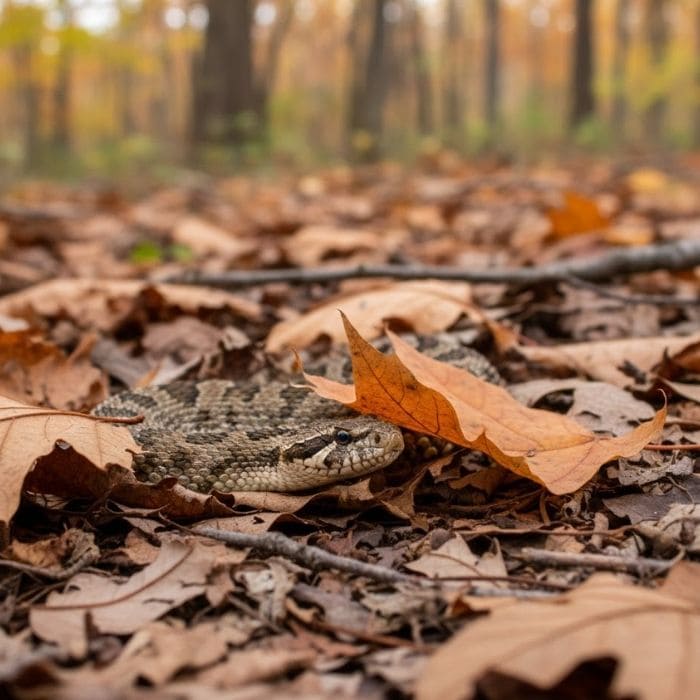
Once the leaves shifted, I could see it more clearly, and even in the rush of adrenaline, my brain registered details that later helped everything make sense.
It was a hognose snake, short and stout compared to the snakes people usually fear, with a slightly upturned nose that almost looks cartoonish if you see it in calm conditions, patterned in earthy browns and grays that blend perfectly into leaf litter, which explains why I never saw it before my foot landed inches too close.
Hognose snakes are common in many northern forests, and they are known more for dramatic bluffing behavior, flattening their heads or playing dead, than for aggression.
But at that moment, none of that mattered, because all I knew was that something had bitten me and my body was flooding with adrenaline.
What Amanda Did in Those First Critical Minutes
Amanda didn’t panic, and I appreciated that we had learnt meditation before.
She guided me to sit down immediately, keeping me still, because movement makes everything worse when you don’t know what you’re dealing with, and she took a deep breath herself before looking at my ankle carefully, not digging at it, not poking it, just observing.
The bite marks were small, and there was no intense swelling or spreading discoloration, but we didn’t use that to reassure ourselves too early, because guessing is not the same as knowing, and the rule we agreed on instantly was simple: treat it seriously until a professional says otherwise.
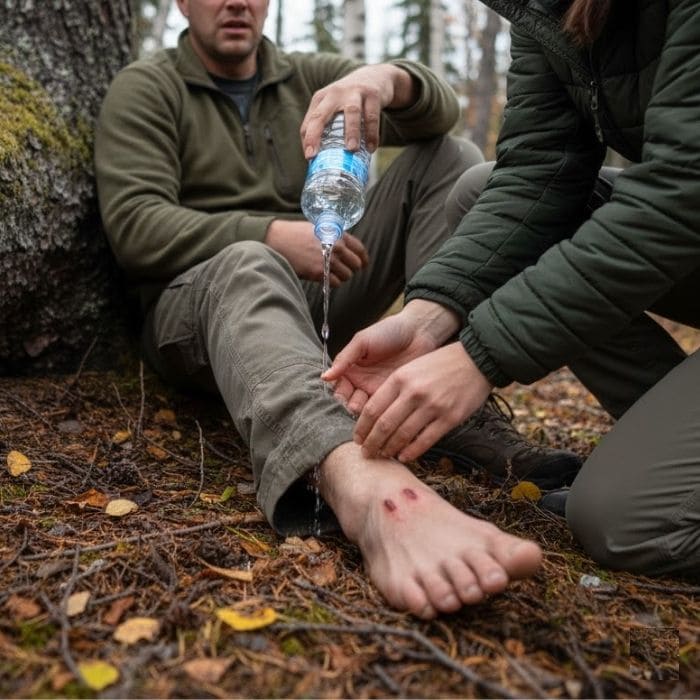
She cleaned around the area gently with the water we had, making sure not to cut, squeeze, or apply anything aggressive, and she kept me calm by talking steadily.
She also asked: “Are you OK?” She watched for dizziness, nausea, or changes in breathing, all while reminding me, out loud, to slow my breath so my heart rate wouldn’t spike unnecessarily.
What she did not do is just as important, and I want to say this clearly because bad advice spreads fast in outdoor stories: she didn’t apply a tourniquet, she didn’t try to suck anything out, and she didn’t cut the skin, because those actions cause more harm than good and are no longer recommended by medical professionals.
The Long Walk Back, and the Weight of Uncertainty
Walking back to the trailhead felt longer than the hike in, not because my ankle hurt badly, but because uncertainty is heavy, and every sensation suddenly feels suspicious when you’re waiting for symptoms that may or may not appear.
Amanda stayed slightly behind me, watching my gait and my balance, and every few minutes she asked how I felt, not anxiously, but attentively, and I realized then how important it is to hike with someone who knows how to stay steady under pressure.
When we reached the parking area, we didn’t debate or delay. We got in the van and drove straight to the nearest hospital, because even hognose snakes are non-venomous and not medically dangerous to humans.
The Local Who Helped Calm the Situation
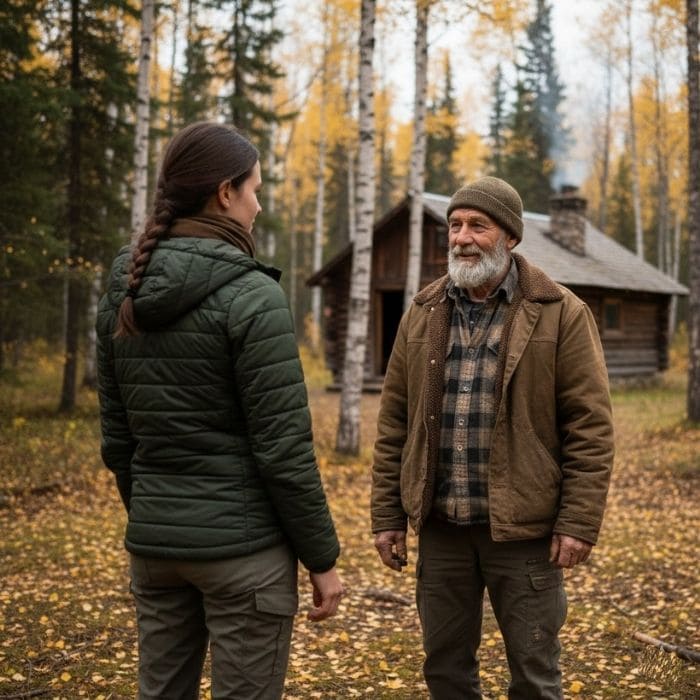
On the way out, we ran into a local man near the trailhead, someone who looked like he’d spent most of his life outdoors, wearing worn boots, a flannel jacket faded by years of sun, and carrying himself with the ease of someone who knows the land well.
When Amanda explained what happened, he nodded, not dismissively, but knowingly, and asked what the snake looked like, and the moment we described the upturned nose and the thick body, he said, “Sounds like a hognose. They scare easy, but they’re not dangerous.”
Even with that reassurance, he told us we were doing the right thing by heading to the hospital anyway, because reactions vary and peace of mind is worth the drive, and that sentence alone helped my body relax more than anything else had so far.
At the Hospital, and the Lesson That Stayed With Me
The hospital confirmed what the local had said, that the bite was from a non-venomous hognose snake, and while there was nothing toxic to worry about, they still cleaned the wound properly, checked for infection risk, and reminded us that any animal bite deserves medical attention, especially in remote areas.
Walking out of there, ankle wrapped lightly and adrenaline finally draining, I felt embarrassed for a moment, then grateful, because the real lesson wasn’t about snakes at all, it was about preparation, awareness, and humility.
The forest doesn’t announce its risks, especially in places that feel gentle, and the more comfortable you become outdoors, the easier it is to forget that every step deserves attention, not fear, but respect.