The Fourth of July Up on the Hopi Mesas
In the city, the Fourth of July used to feel unavoidable. Back in Los Angeles, our street would wake up already decorated, flags clipped to porches, banners stretching across fences, red-white-blue flowers shoved into planters like a checklist, and the whole day would build toward noise, brightness, and the feeling that celebration had to be…
In the city, the Fourth of July used to feel unavoidable.
Back in Los Angeles, our street would wake up already decorated, flags clipped to porches, banners stretching across fences, red-white-blue flowers shoved into planters like a checklist, and the whole day would build toward noise, brightness, and the feeling that celebration had to be loud to be real.
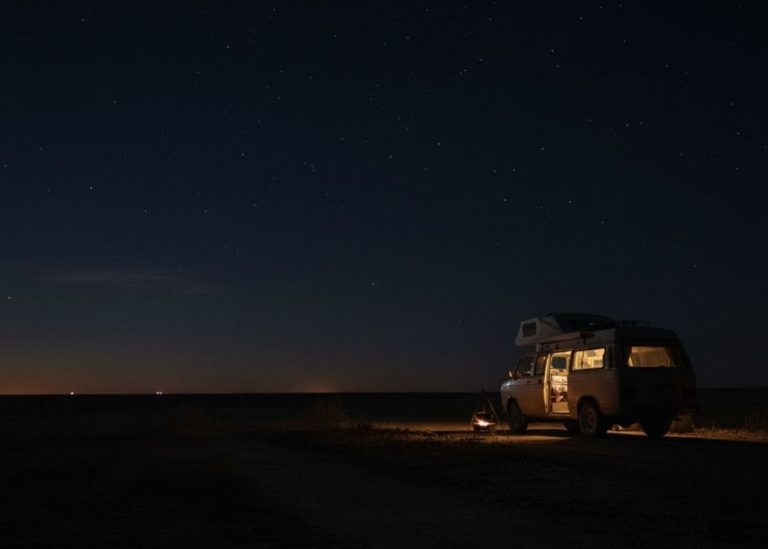
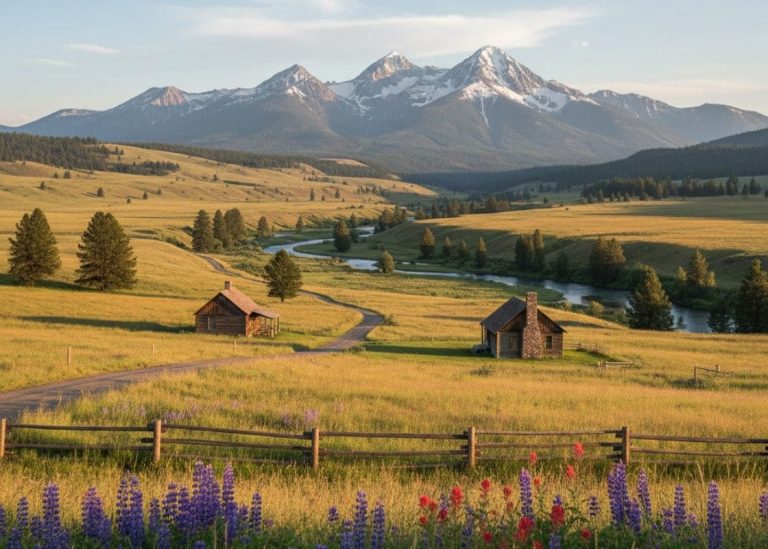
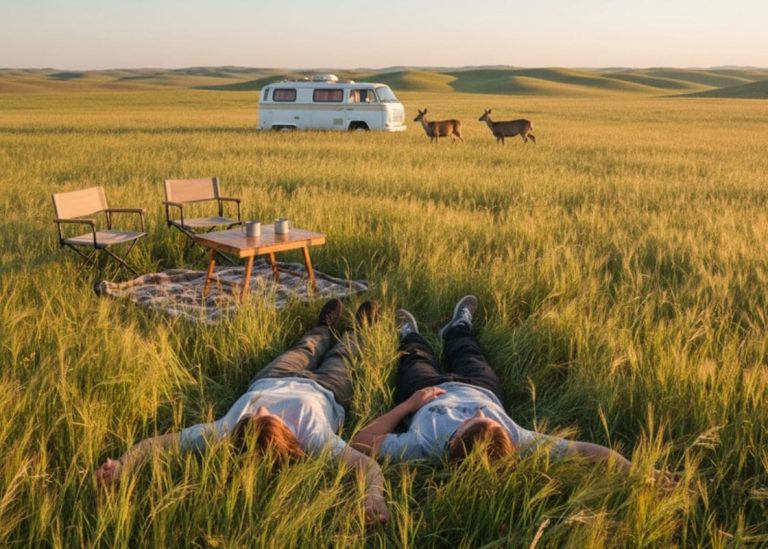
This time, the holiday arrived while Amanda and I were driving into northeastern Arizona toward the Hopi Mesas, where three long, flat-topped mesas rise out of the desert and hold villages that have been there long before the U.S. calendar ever mattered.
The landscape itself changes your posture. The sky feels bigger, the roads feel quieter, and the mesas don’t appear like tourist landmarks do, they reveal themselves slowly, as if the land is letting you notice it in its own time.
Amanda was the first one to say it out loud: “This is going to be a different kind of Fourth.”
Where We Went on the Mesas
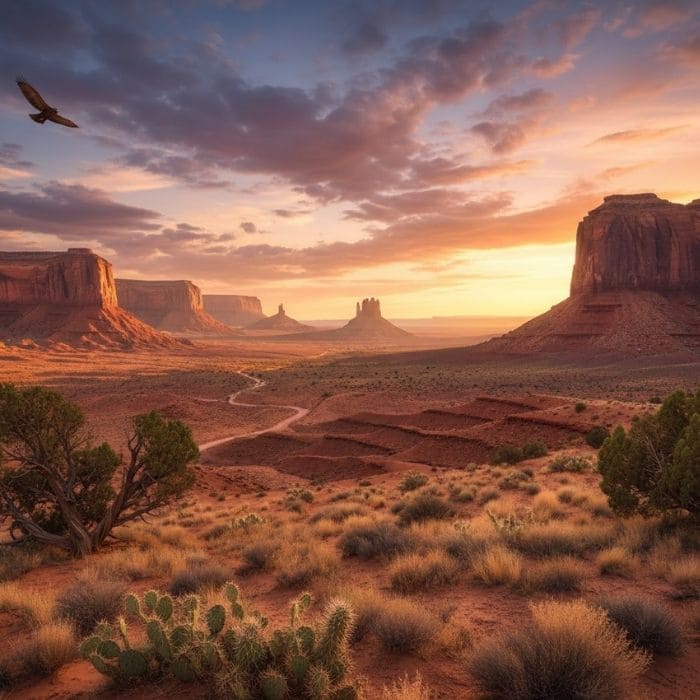
We aimed for Second Mesa. That’s also where the Hopi Cultural Center is located, and it functions like a bridge in the best way, a place where you can show up, orient yourself, and experience culture in a way that’s offered publicly.
The moment we stepped out of the van, I noticed how different the atmosphere felt from every other Fourth I’d ever lived through.
There weren’t fireworks stands, there wasn’t that restless party energy, and there wasn’t a constant soundtrack of celebration. The air felt dry and clean, the wind moved steadily, and the quiet had weight to it, like the mesas were holding the day instead of advertising it.
The Gathering, the Circle, and the First Song
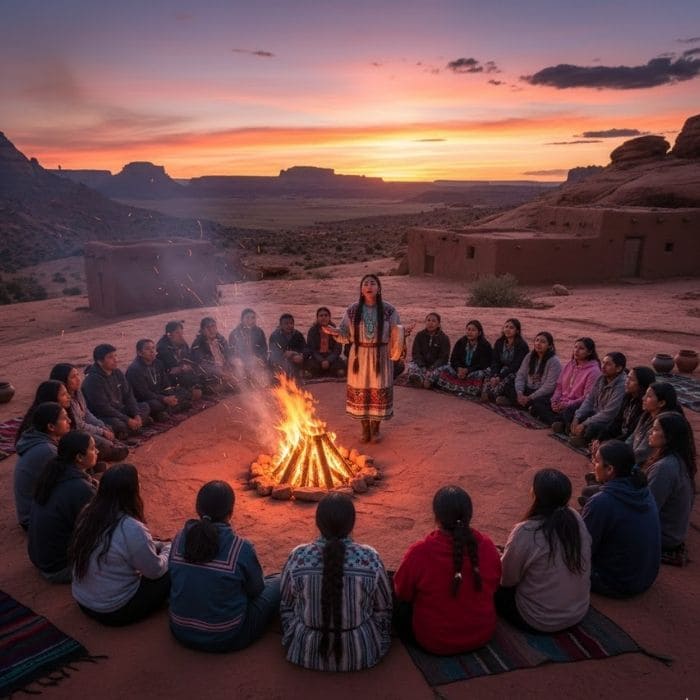
People arrived in small groups, families and friends moving together with an ease that comes from knowing exactly where you belong.
There were vendors and booths set up with art and handmade goods, food drifting on the air in warm waves, and an open space where everyone’s attention naturally kept returning, because that’s where the dancing would happen.
When the singing started, it didn’t begin with an announcement. It began like something turning on, a few voices finding each other, then more voices layering in until the sound felt full and anchored. The language was ancient to my ears.
I couldn’t translate a single word, and that was part of the point, because I wasn’t there to claim understanding I didn’t earn. What I could understand was the feeling of it: steady, rhythmic, purposeful, not decorative.
Amanda leaned close and whispered, “This doesn’t feel like a show.” She said it softly, almost relieved, because it really didn’t.
The Dance That Made the Holiday Feel Smaller Than the Land
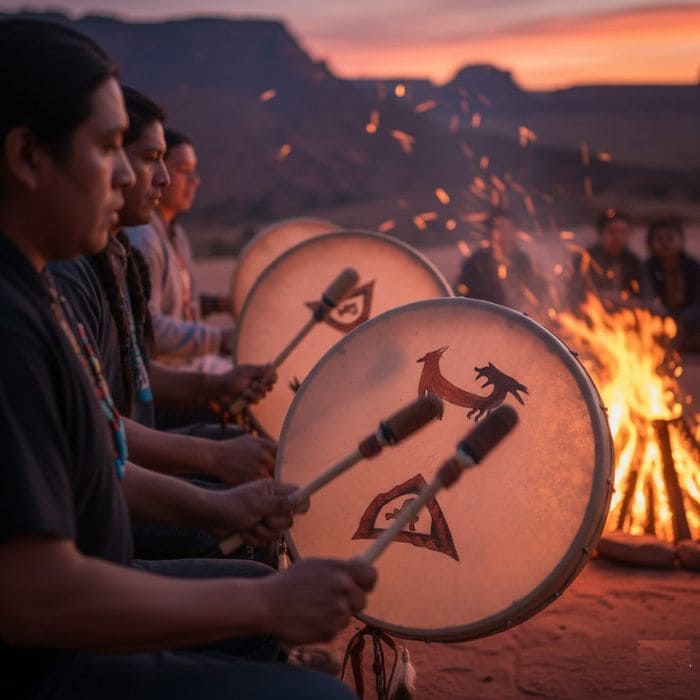
The dancers moved into the open space with a calm confidence. Their steps weren’t flashy. They were precise.
The rhythm came from the group, and the group came from the rhythm, and after a few minutes I realized the most powerful part wasn’t even the movement itself, it was the way everyone watching seemed to know how to watch, respectfully, without trying to interrupt the moment with noise.
There was drumming, chanting, and singing that rose and fell in patterns I couldn’t predict, and that unpredictability kept me fully present. In the city, the Fourth always followed a script: parade, barbecue, fireworks. Up here, the day didn’t feel scripted at all. It felt rooted.
At one point, a new sequence began, and you could feel the shift immediately. The voices tightened into a different cadence, the drumbeat changed, and the dancers adjusted their steps as if they were responding to something older than instruction.
I looked at Amanda and she had that look she gets when she’s trying to memorize a feeling rather than an image, her eyes focused, her mouth slightly open, like she was afraid to blink and miss something.
What I Heard in the Songs, Even Without Understanding the Words
The most striking thing about the songs was how they filled space without trying to dominate it. The sound didn’t fight the wind or the openness of the mesas.
The voices were strong but not aggressive, and the repetition felt like structure rather than monotony, like the song was building a steady road beneath the whole gathering.
There was a moment when the singers paused, just briefly, and in that short gap the desert quiet rushed back in, and then the singing returned again, and I remember thinking how the silence wasn’t empty here.
I asked Amanda afterward what she felt, and she said something that landed hard: “In LA, the Fourth always felt like we were trying to convince ourselves we were happy. Here it feels like people already know who they are.”