Here’re Ways We Handle Trash on the Road
When we lived in a house, trash was invisible in the easiest way. You cook, you clean, you tie up a bag, and some machine shows up once a week and takes it away like it never existed. Out here, living in a van, trash becomes something you have to face every single day, because…
When we lived in a house, trash was invisible in the easiest way. You cook, you clean, you tie up a bag, and some machine shows up once a week and takes it away like it never existed.
Out here, living in a van, trash becomes something you have to face every single day, because there is no curb, no routine pickup, and no place to just toss it later without it becoming a smell, a mess, or an uncomfortable reminder that nomadic life still creates waste.
Amanda and I learned quickly that managing trash isn’t a glamorous part of van life, but it’s one of the most important parts if you want to travel responsibly and keep your tiny home from feeling chaotic.
The Daily Reality: Food Scraps Add Up Fast
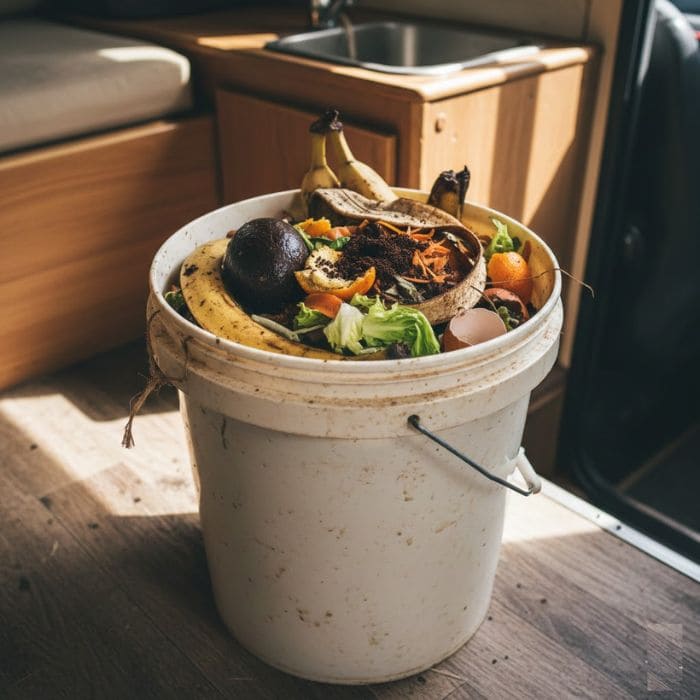
Most of our everyday trash comes from cooking. Vegetable peels, onion skins, apple cores, carrot ends, herb stems, the small bits that feel harmless when you’re in a kitchen with a big bin under the sink, but in a van they pile up faster than you expect.
At first, I underestimated how quickly food waste could turn into an issue. One early trip, we had been driving through warm weather, and I made the mistake of leaving a bag of scraps tied loosely in a corner of the van overnight.
By the morning, the smell had quietly taken over the whole space. Not a dramatic stink that hits you instantly, but that slow, sour smell that makes you realize you’ve created a problem in a home that is only a few steps wide.
That was the day I told Amanda, “Okay. We need a system.”
Our “One Bag at a Time” Rule for Food Waste
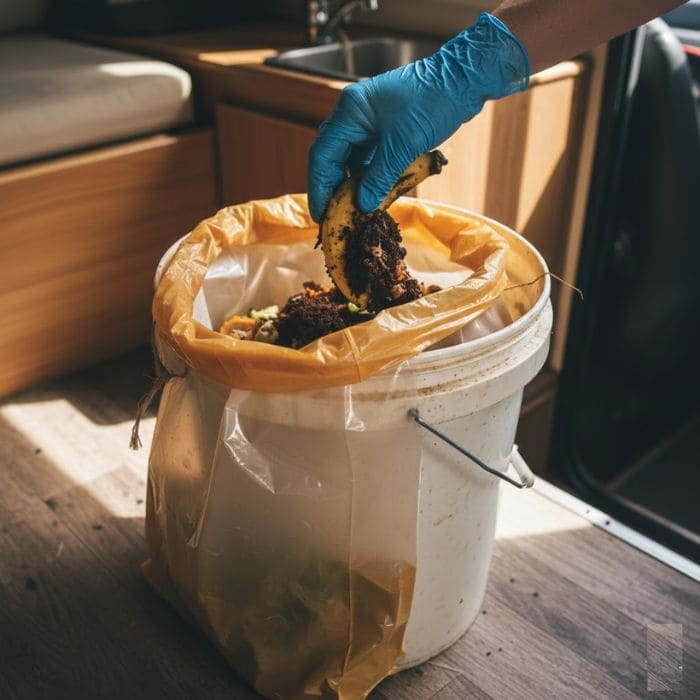
Now, we handle food scraps with a simple habit. We keep a small container or bag dedicated only to compostable scraps while we cook, and when we finish the meal, we seal it properly instead of letting it sit open.
About once a month, I restock biodegradable bags, and those bags have become part of our routine. The goal is to keep waste contained and manageable until we reach a proper disposal point.
When we pass a public bin, a campground trash area, or a town with waste disposal, we drop the bag there and move on. It sounds obvious, but the key is doing it consistently before scraps turn into odor or attract insects.
A Quick Truth About Leaving Scraps in Nature
I understand why it feels tempting to think food scraps are safe to leave in soil or forest because they biodegrade, but I’ve learned that it’s not that simple.
Food waste can attract wildlife, change animal behavior, and introduce materials that don’t belong in that ecosystem, even if it seems natural. I try to treat the land like a host, and a good guest doesn’t leave leftovers behind.
So our rule has become clear: we don’t dump food scraps in the wild, even if they’re biodegradable, unless we are in a designated composting context. When we’re in doubt, we carry it out.
Cans, Packaging, and the Trash That Can’t Disappear
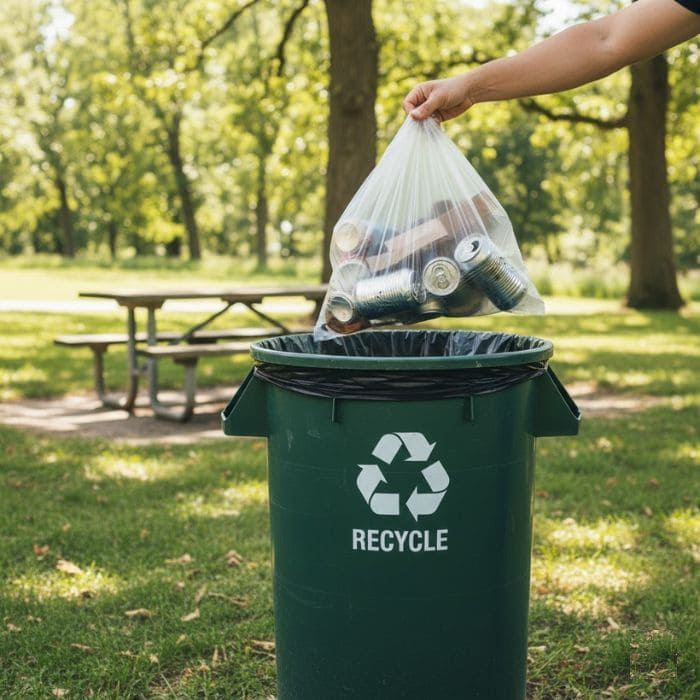
The other category of trash is the kind that doesn’t break down, cans, plastic packaging, wrappers, cartons, and random road-life debris.
We try to reduce it by choosing foods with less packaging when we can, but we’re still realistic. You can’t live on the road without buying some packaged goods. The difference is what you do with them afterward.
For these, we use a dedicated trash bag stored in the trunk or a sealed container, and we keep it dry. The reason is simple: dry trash doesn’t smell as fast, and it doesn’t become a sticky problem that attracts bugs.
If we have cans, we rinse them quickly when possible, even with a small splash of water, because a rinsed can takes up space, but it doesn’t turn into a sour smell that lives in your van for days.
We usually keep this type of trash for one or two days maximum. That’s the sweet spot. It’s long enough to wait until you reach a town, but short enough that it doesn’t become your van’s personality.
The Places We Usually Dispose of Trash
Over time, we learned where trash disposal is easiest, and it’s almost always in the most practical places:
- gas stations that have outdoor bins
- grocery stores with trash cans near entrances
- rest stops and picnic areas
- campgrounds with designated trash zones
- small towns where public bins are available
I can’t count how many times we’ve pulled into a gas station not because we needed fuel, but because we needed a place to responsibly reset our van, empty trash, wipe down surfaces, and start fresh for the next stretch.
The Mental Side of Trash on the Road
The strange thing about managing trash is that it affects your mood more than you expect.
When the van is clean and waste is handled, everything feels lighter. When trash piles up, even a little, the van starts feeling cramped and stressful, and it makes you irritable in ways that don’t seem connected until you realize you’re living beside a problem you could have prevented.
Amanda says a clean van makes her sleep better, and she’s right. It’s hard to feel peaceful when you know a bag of scraps is quietly turning into a smell in the corner.