How Much Do You Really Need to Prepare for a Nomadic Life?
This topic comes up more than people admit. I’ll post a photo of a sunrise or a quiet beach, and someone will message me something like, “This looks amazing, but… how did you afford it?” I get it, because most “van life budget” posts either stay vague on purpose or they give one clean number…
This topic comes up more than people admit. I’ll post a photo of a sunrise or a quiet beach, and someone will message me something like, “This looks amazing, but… how did you afford it?” I get it, because most “van life budget” posts either stay vague on purpose or they give one clean number that makes it look simple, even though the truth is messy and personal.
What I’ve learned is that the cost of starting a nomadic life depends on three things most people skip over: how comfortable you need to feel to sleep at night, how often you move, and how willing you are to treat convenience as optional.
Amanda and I didn’t rush into this lifestyle. We worked intentionally before we left, we saved, we talked through the scary parts, and we built a cushion so we could enjoy the road instead of calculating every mile with anxiety.
What We Did Before We Left So Money Wouldn’t Control the Trip
Before the van was even in the driveway, we treated saving like part of the transition, not a separate chore. We asked ourselves a few blunt questions that shaped everything we bought afterward.
We wanted to travel without constantly feeling like one surprise expense would end the whole lifestyle. That meant we needed money set aside for three things: the van itself, the gear that makes the van livable, and a safety buffer for repairs and life happens moments.
Once we had those buckets clear in our heads, the planning got calmer, because we stopped buying random stuff and started buying only what supported the lifestyle we actually wanted.
Amanda’s side of the planning was practical. She cared about comfort and hygiene because she knew small discomforts can turn into big resentment on the road. My side of it was mostly risk management, because I’ve seen enough life to know the road is not impressed by optimism.
Must-Have Costs: The Things We Needed to Start at All
The van purchase
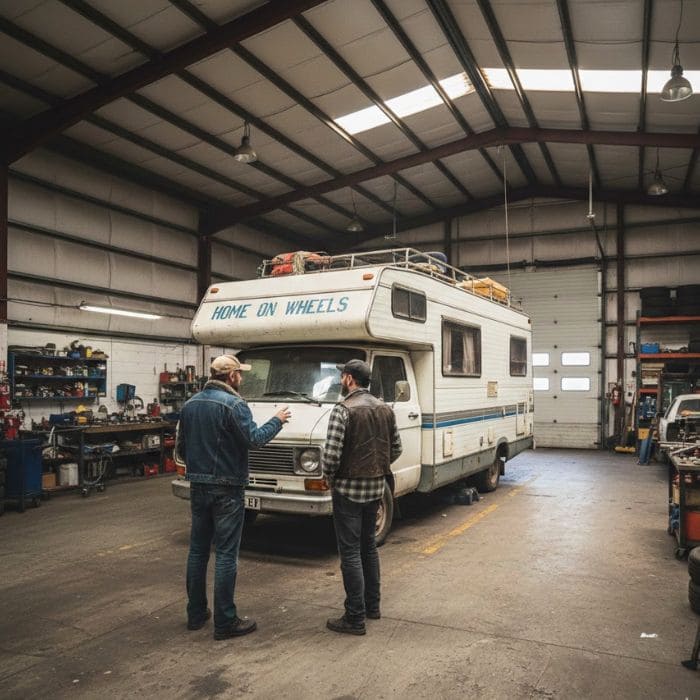
This was the big one, and we got lucky in a way I’m grateful for every time I turn the key. We bought our van from an older company near Washington for $25,000. The boss was a friend of mine, so the price was fair, and more importantly, I trusted the maintenance history. A slightly higher price for a van you trust is often cheaper than a “deal” that turns into repairs for months.
What mattered to us was not having a luxury build. What mattered was that the van ran reliably, didn’t have immediate major issues, and could hold the basics without feeling like we were living inside a closet.
The safety and sanity gear
People love to spend money on cute upgrades before they buy the boring stuff. We did the opposite. We bought the things that keep you safe, clean enough to feel human, and comfortable enough to avoid hating the lifestyle two weeks in.
Here’s what I consider our true must-have setup, with the kind of detail readers usually ask me for:
First aid kit
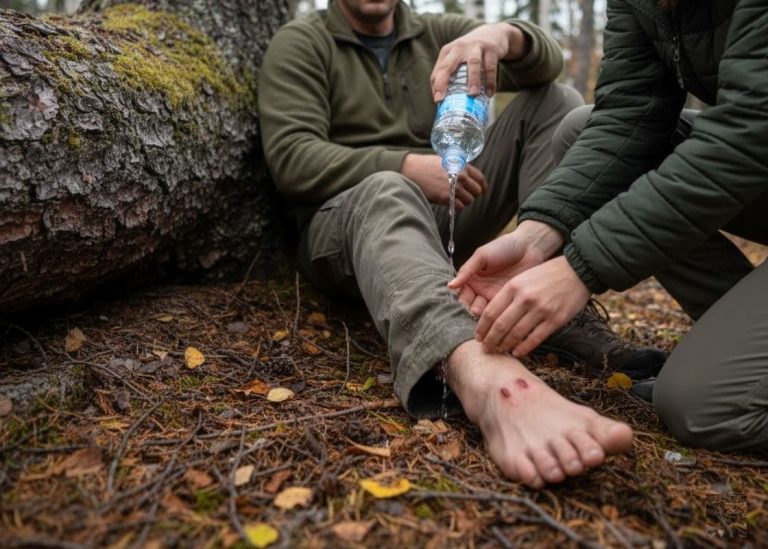
We didn’t buy a tiny one. We built a real kit and kept it easy to reach. That meant bandages in different sizes, gauze, medical tape, antiseptic, tweezers, blister care, pain relief, and muscle relief patches like Salonpas. It sounds basic, but on the road, “basic” becomes gold.
Shower tent
Amanda bought a shower tent on Amazon before the first long trip, and it paid for itself in peace of mind. Privacy matters and hygiene matters, too. If you can create a private space to wash, change clothes, and reset your mood, you feel more stable on the road.
I later bought a backup. I know it sounds extra, until you’re far from a store and something tears, breaks, or stops working. Redundancy is not a luxury when you live in motion.
Sleeping setup
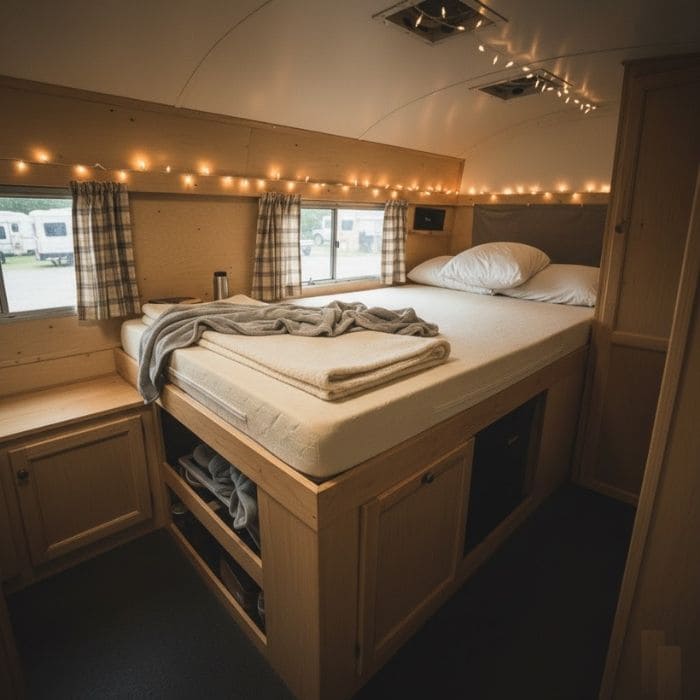
We invested in a sleep setup that could handle cold nights and hot mornings. A decent mattress or pad, a warm blanket, and layers that can adapt. Sleep is everything. When sleep is bad, everything else feels harder than it needs to.
Cooking basics
A simple stove, one pot, one pan, a good knife, a cutting board, a lighter you can find, and a way to wash dishes without making your whole van smell like old food. If you can cook, you control your budget and your energy.
Water storage
We kept multiple jugs because water is not only for drinking. It’s for cooking, basic washing, and emergencies. Having enough water on board changes your confidence level in remote places.
For these must items, our essential gear cost landed around $1,200 to $1,800, depending on quality and what you already own. If someone is starting from zero and buys higher-end gear, it can go higher, but we didn’t treat this like shopping. We treated it like building a functioning life.
So our starting cost looked like this:
- Van: $25,000
- Essential setup gear: about $1,500 (our middle estimate)
That put our realistic start line around $26,500.
Ongoing Costs: What It Actually Costs to Live on the Road Each Month
Here’s where people get confused, because they expect van life to be cheap automatically. It can be cheaper than city life, but only if you understand what actually drains money.
Fuel
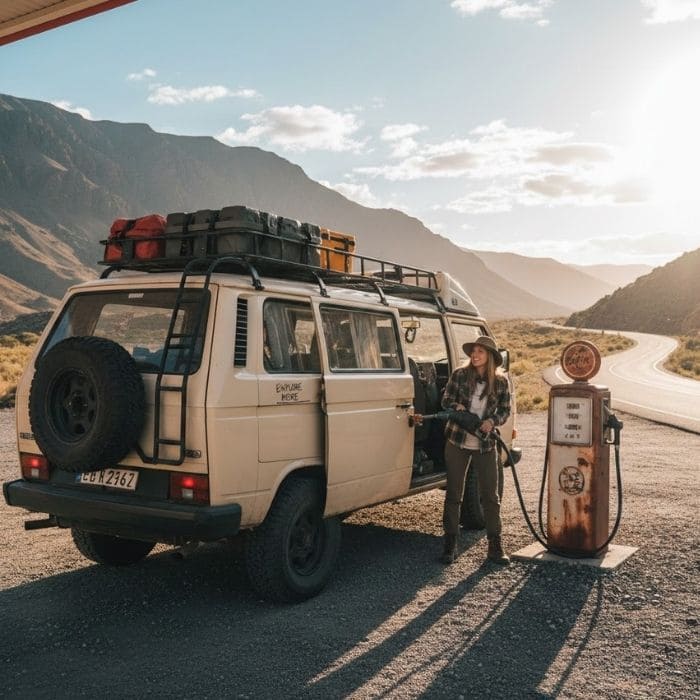
Fuel is the biggest variable. If you move constantly, fuel becomes your rent. If you stay longer in each place, fuel becomes manageable.
We are not the type to drive every day. We like lingering. We like waking up somewhere and actually being there. That kept our fuel lower than some van travelers.
Our typical monthly fuel range was $300 to $450, depending on how much we moved. In a month with longer drives and more exploring, it climbed. In slower months, it dropped.
Food
Food is where you can either blow your budget or save a lot. We cook most of our meals. Not gourmet, just real meals that make you feel good.
Grocery costs for us averaged $250 to $350 per month, and then we added occasional eating out, usually $100 to $150. Total food spending usually landed around $350 to $500 per month.
The reason cooking matters is not only money, it’s mood. When you eat well, your body handles travel better, and your patience lasts longer when something goes wrong.
Water
Water can be surprisingly cheap, but it requires attention. Most months, we spent $20 to $40 on water related costs, and sometimes less, because we refill at public sources when possible.
Phone and internet
Even when we want to be disconnected, we still need a reliable phone plan for maps, communication, emergencies, and basic coordination. Our phone and data costs were usually $80 to $120 per month.
Insurance, registration, maintenance
This is where many budgets lie by omission. Even if you don’t want to talk about it, the van still needs to be legal, insured, and maintained. Costs vary by state and provider, but we treated these as non-negotiable categories.
We set aside a monthly van health amount even if nothing broke, because repairs don’t schedule appointments with your budget.
A realistic way to handle this is to create a maintenance fund, even if it’s small. We aimed for $100 to $200 per month set aside for maintenance and wear items. Some months it just sat there. Then a month came when we needed it and it felt like relief instead of panic.
Optional Costs: Comfort Choices That Add Up Fast
Optional costs are not bad, but they sneak up on you.
These include:
- paid campgrounds or paid parking when you want a shower or a safer night
- tours, museums, experiences, park fees
- gear upgrades you convince yourself you need
- replacing broken items, worn shoes, propane, random emergency purchases
Our optional costs averaged $100 to $200 per month, but some months we spent almost nothing, especially when we were enjoying nature and staying simple.
Our Estimated Monthly Total and Our First-Year Reality
When we combine our typical monthly categories, our average month looked like this:
- Fuel: $300 to $450
- Food: $350 to $500
- Phone and internet: $80 to $120
- Water and basic supplies: $20 to $60
- Maintenance savings: $100 to $200
- Optional spending: $100 to $200
That puts a realistic monthly range around $950 to $1,530, with our “most common” months landing close to $1,150.
Over one year, that makes an estimated annual living cost range of roughly:
- Low end (slower travel, fewer paid nights): about $11,400
- Higher end (more driving, more comfort spending): about $18,360
For our lifestyle and pace, a realistic “middle” first-year number is around $13,500 to $15,000, not counting the van purchase.
A New Option Many People Choose: Saving Money Travel by Creating Content

A lot of people combine travel with producing videos, running channels, or building income through content. In theory, it can be a smart strategy. You travel, you document, you grow an audience, and the lifestyle partially funds itself.
I’m not against it at all, and I understand why it works for many people, especially if they enjoy editing, posting, and building an online rhythm. For me, the honest truth is simpler. I did not leave a high-pressure life just to turn every sunset into a deliverable.
I like sharing stories. I like writing. I like connecting with readers. But I don’t want my days to be shaped by what performs well, or what has the best thumbnail, or what I should film next.
I want to sit under an umbrella with grapes, crack open a coconut with a piece of wood, and feel like that moment belongs to us first. If something becomes a story later, great. If it never does, that’s fine too.
That’s why we worked hard and saved before we left. We wanted the road to feel like freedom, not another system that demands output.