The Homemade Spray I Trust for Forest Trips
If you’ve been following my road life for a while, you already know I don’t stay still for long. I’ve wandered through pine flatwoods near Ocala National Forest in Florida, spent long hot days in the Wrangell–St. Elias region in Alaska, walked forested edges around the Wallowa Mountains near Joseph, Oregon, and taken more “let’s…
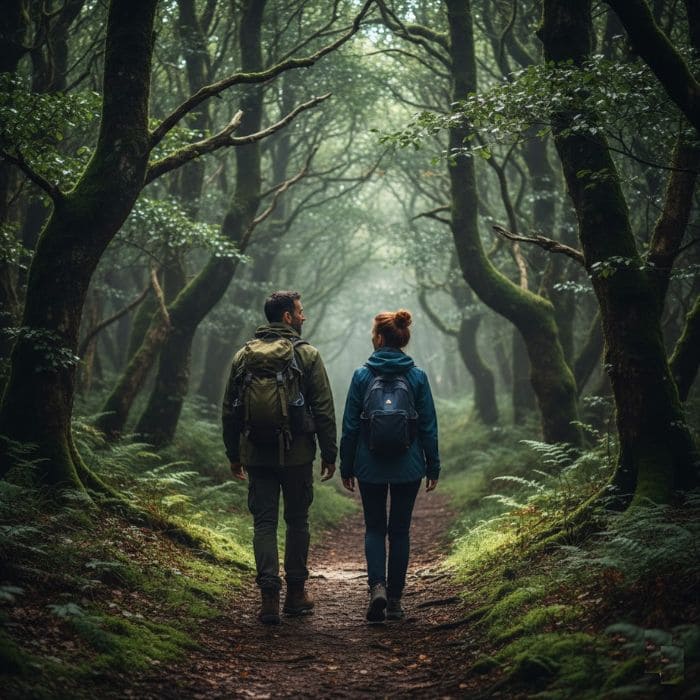
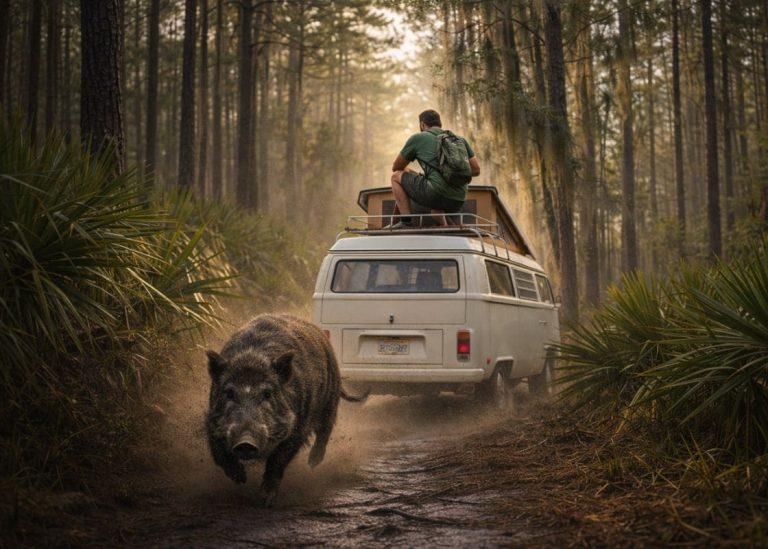
If you’ve been following my road life for a while, you already know I don’t stay still for long. I’ve wandered through pine flatwoods near Ocala National Forest in Florida, spent long hot days in the Wrangell–St. Elias region in Alaska, walked forested edges around the Wallowa Mountains near Joseph, Oregon, and taken more “let’s just see where this dirt road goes” detours than I can count.
I’ve written about views, animals, weather, and the moments that scare you awake in a new way. But there’s one problem I’ve dealt with over and over that rarely makes a good photo, and that’s mosquitoes.
Not the occasional bite you scratch and forget, I mean the thick, relentless swarms you get in certain forests and wet areas where the air feels like it’s alive and your skin becomes the easiest target.
Why I Take Forest Mosquitoes Seriously
Mosquito bites are annoying, yes, but they can be more than that. Depending on where you are, mosquitoes can carry illnesses like West Nile virus, dengue, Zika, and malaria in certain parts of the world.
In the U.S., West Nile is the one people mention most often, and while most people don’t get seriously sick from it, some do, and the consequences can be brutal, including fever, severe headaches, neurological issues, and long recovery periods.
Even without disease, a bad mosquito day can ruin you. I’ve had nights where I couldn’t sleep because bites kept burning, and days where Amanda and I were short-tempered just because we were constantly swatting and itchy.
We’ve been lucky so far. We’ve never had a serious mosquito-borne illness, and I’m grateful for that. But luck is not a strategy, so we built a routine that works for us.
My Homemade Mosquito Spray, The One I Actually Use
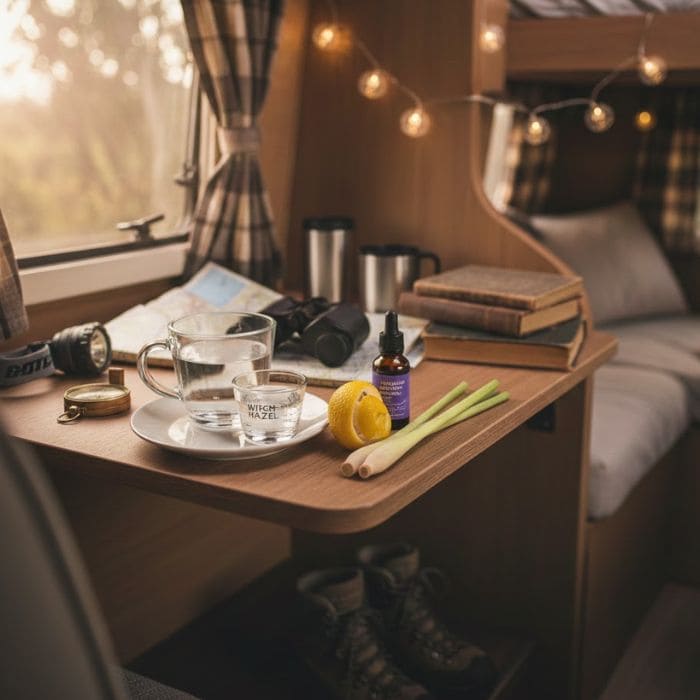
Honestly, homemade sprays do not replace serious repellent in high-risk areas. But they absolutely help in many places, and I like them for daily use because they smell better, feel lighter on skin, and don’t make me feel like I just coated myself in chemicals.
Here’s my go-to recipe that we make in the van.
Ingredients:
- 1 cup water
- 1/2 cup witch hazel or rubbing alcohol
- Zest or peel from 1 lemon (or 2 if they’re small)
- 1 to 2 tablespoons fresh lemongrass, chopped (or 10-15 drops lemongrass essential oil if you have it)
- Optional: 10 drops eucalyptus or lavender essential oil
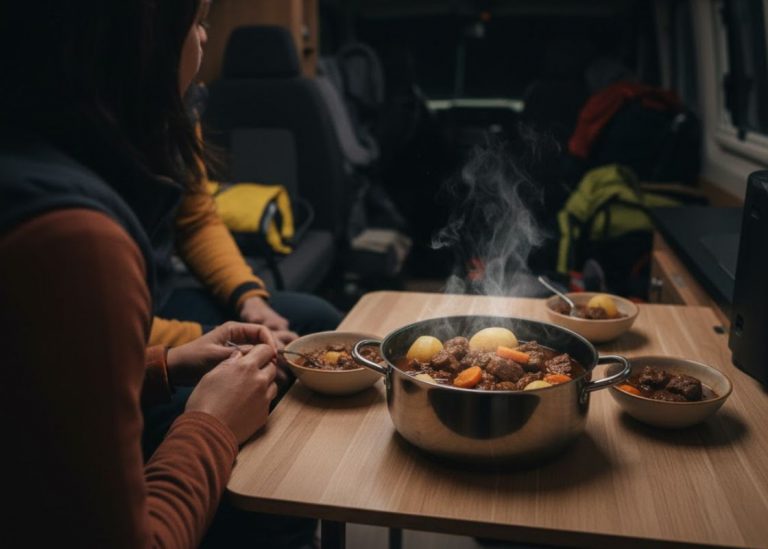
Here’s my way, I heat the water just enough to warm it, not boiling, because I’m usually using a small pot on the van stove. I add lemon peel and chopped lemongrass and let it steep like tea for 20-30 minutes.
Next, I strain it into a bottle, let it cool, then add witch hazel or rubbing alcohol. If we have essential oils, I add a few drops and shake hard.
After finishing, I spray exposed skin and the outside of clothing, especially ankles, wrists, neck, and behind knees.
Notes: Reapply every 60-90 minutes in buggy areas because natural sprays fade faster.
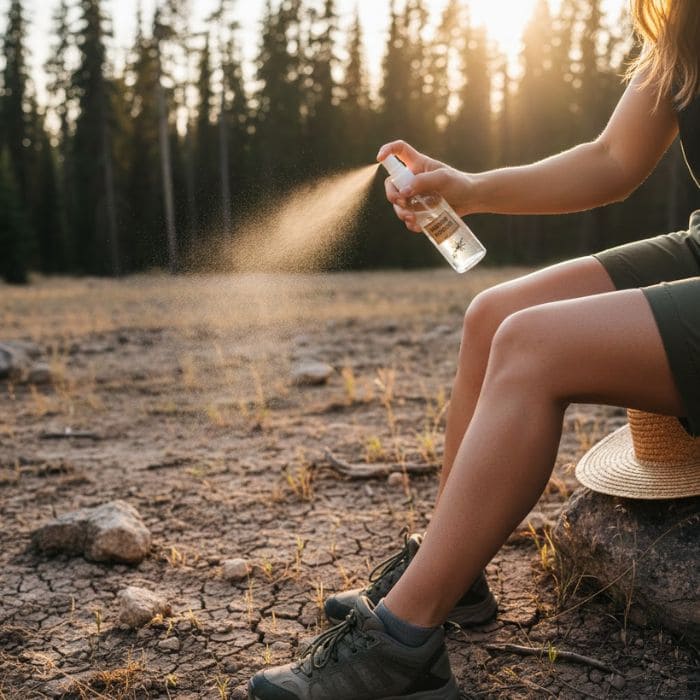
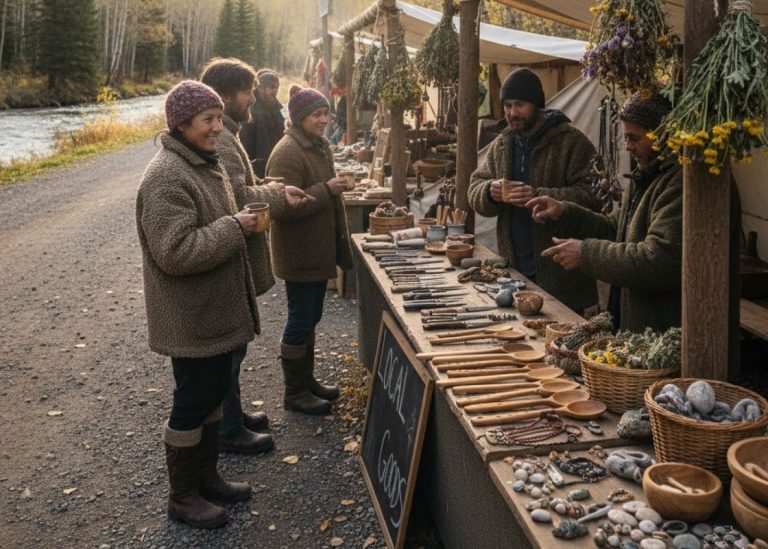
One reason this works well for us is how easy it is to refresh ingredients. If we run out, we just stop at a local market when we pass through a town.
I can’t tell you how many times we’ve been in a small place where the market is the size of a living room, and we’ve bought a lemon, a small bundle of lemongrass, and maybe a handful of herbs like we’re preparing for dinner, but really it’s for survival.
The Belt Trick: My Portable Scent Shield
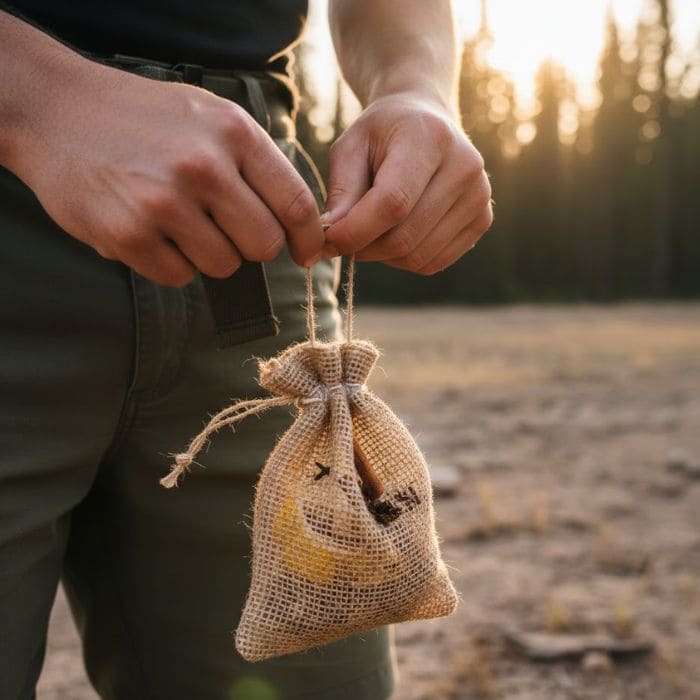
This is the weird one, but it has saved me more times than I expected, especially when I’m hiking and sweating and don’t want spray running into my eyes.
We made a small mesh bag, about palm-size, with a drawstring. Nothing fancy. You could DIY it from a piece of breathable fabric.
Inside we put dried lemon peel, cinnamon sticks (broken into pieces) and whole cloves.Then I clip or tie it to my belt loop or backpack strap.
Does it make me invisible to mosquitoes? No. But it creates a strong scent cloud right around my waist and upper legs, and it noticeably reduces the number of bugs hovering close when I’m walking through brush.
Amanda laughs at me sometimes because I look like I’m carrying a tiny spice pouch for no reason, but she also asks for one when the mosquitoes get aggressive, so I’ll take that as a win.
When It’s Bad, I Use DEET and I Don’t Apologize
Here’s the truth: in certain forests, especially wet areas at dusk or dawn, homemade sprays aren’t enough.
If I’m heading into a high-mosquito zone, I use a DEET-based repellent over 20%. I don’t like the smell, and I don’t love how it feels, but it works, and I trust it when the risk is higher.
My routine is DEET on clothing and exposed skin, homemade spray for lighter days or as a refresher, then physical barriers like long sleeves and socks no matter what
Other Tips That Matter More Than People Realize
Here are the other things that genuinely help, especially for forest exploring.
Wear the right clothes
Long sleeves, long pants, socks over pant legs if it’s really bad. I know it’s hot, but thin breathable fabric beats scratching your skin raw later. Light colors help too, because mosquitoes tend to be more attracted to dark clothing.
Use head nets when you need them
I resisted this for a long time because I thought it looked ridiculous. Then I spent one Alaskan evening being eaten alive and I stopped caring about my pride.
Avoid peak mosquito hours
Mosquitoes are usually worst around dawn and dusk. If you can time your deeper hikes for mid-morning or afternoon, you’ll often have a better experience.
Check your campsite location
If you camp near standing water, swampy edges, or thick wet grass, you’re basically inviting them. A small breeze helps a lot, mosquitoes hate wind.
Vitamin B1
Some people swear by it, and others say it doesn’t make a difference. I’ll be honest, I take it when we’re in buggy areas because it’s easy, and I like anything that might reduce bites. I don’t treat it as a guarantee, just an optional support.