What We Actually Eat on the Road Living Out of a Van
Before we started this nomadic life, I used to imagine van food as either overly romantic or completely miserable, like every meal would be cooked perfectly against a sunset, or we’d survive on instant noodles and regret. The truth landed somewhere far more practical, shaped by a small fridge, limited storage, changing weather, and the…
Before we started this nomadic life, I used to imagine van food as either overly romantic or completely miserable, like every meal would be cooked perfectly against a sunset, or we’d survive on instant noodles and regret.
The truth landed somewhere far more practical, shaped by a small fridge, limited storage, changing weather, and the simple reality that food has to support your body when the road already asks a lot from it.
Our van fridge is compact, just enough to matter but small enough to force discipline, so every item we carry has to earn its space. Over time, through cold mornings, long drives, missed grocery stops, and a few hard lessons, we settled into a system that actually works.
The Core of Our Fridge: Frozen and Fresh, Kept Simple
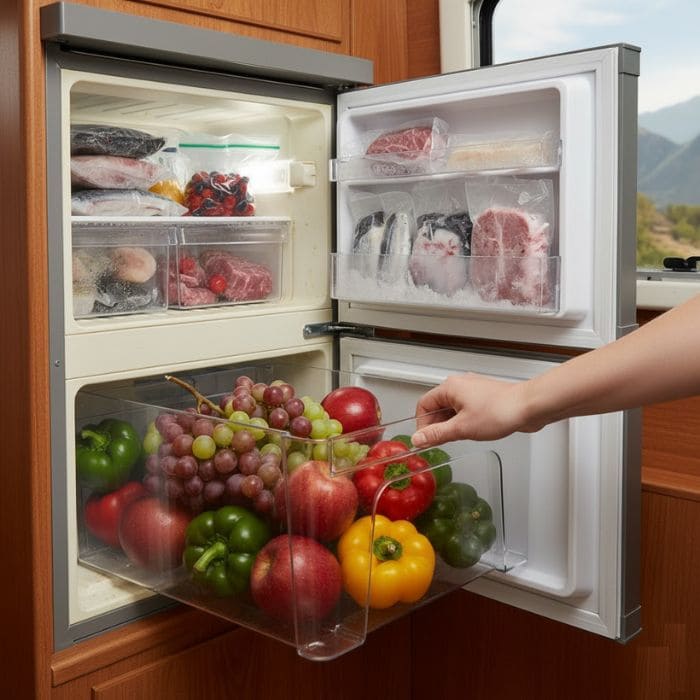
Most trips start with frozen food, because frozen food buys you time. We usually stock frozen beef, chicken, minced meat, and occasionally fish, divided into small portions so we don’t thaw more than we need.
Frozen protein gives us flexibility and removes the daily pressure of “what if we don’t find a store today,” which matters more than you think once you’re deep into a long stretch of road.
Alongside that, we keep fresh food, but only the kind that survives movement and time.
Grapes and apples are always there if we can find good ones, because they don’t bruise easily and still feel refreshing after hours of driving. Bell peppers are another favorite, since they last longer than leafy greens and slide easily into soups, curries, or quick pan meals.
We keep it intentionally minimal, because trying to carry too much fresh food usually ends in waste.
Some foods just don’t cooperate with van life. Spinach is the best example. It looks healthy and hopeful in the store, but after a few days of temperature changes and constant opening of the fridge, it becomes a soggy reminder that not everything travels well.
Long-Lasting Staples That Quietly Save You
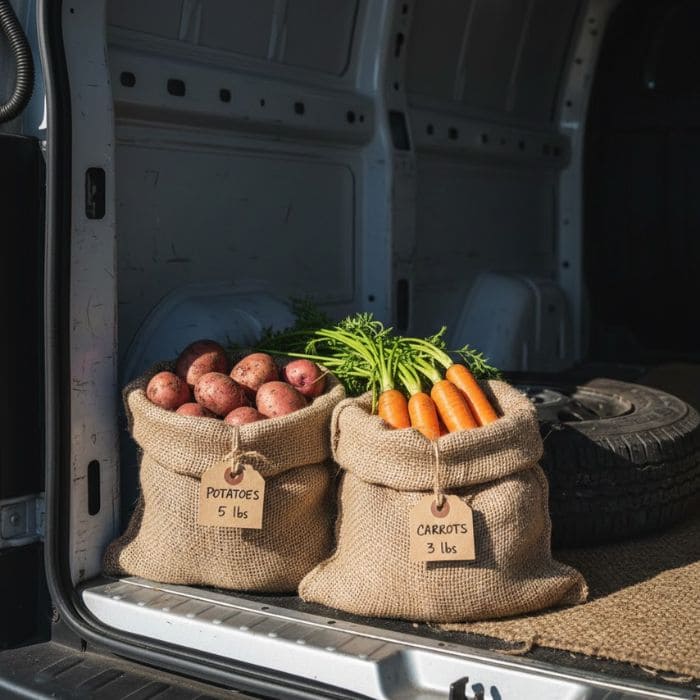
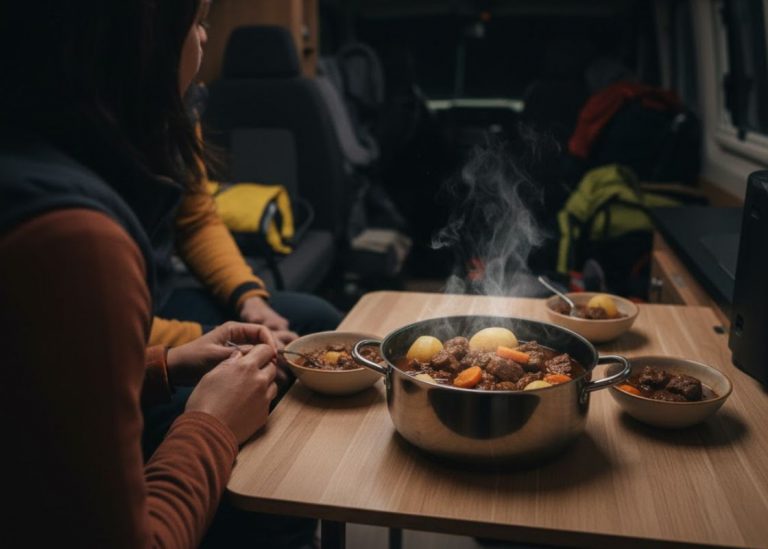
If there’s one category of food I trust the most on the road, it’s root vegetables. Potatoes and carrots don’t complain. They sit patiently in storage, handle temperature shifts, and wait until you’re ready.
We’ve used them in everything from thick soups to simple curries, and even wrapped them in foil for cooking over a fire when the situation allowed.
These foods are the backbone of our cold-weather meals. When temperatures drop, especially at elevation or in desert nights, we naturally lean toward soups and curries, meals that warm you from the inside and don’t require precision.
You can adapt them to whatever you have left, and they forgive tired hands and limited tools.
The Food We Hope We Never Need, But Always Bring
No matter how well we plan, one thing never leaves our storage: MREs.
I don’t eat them casually, and I don’t romanticize them, but I respect them. On long stretches where towns are far apart, or during trips where we’ve ended up off-route longer than expected, MREs offer peace of mind that’s hard to replace.
We’ve carried them through forest drives, desert crossings, and remote areas where the idea of “just stopping at a store” isn’t realistic.
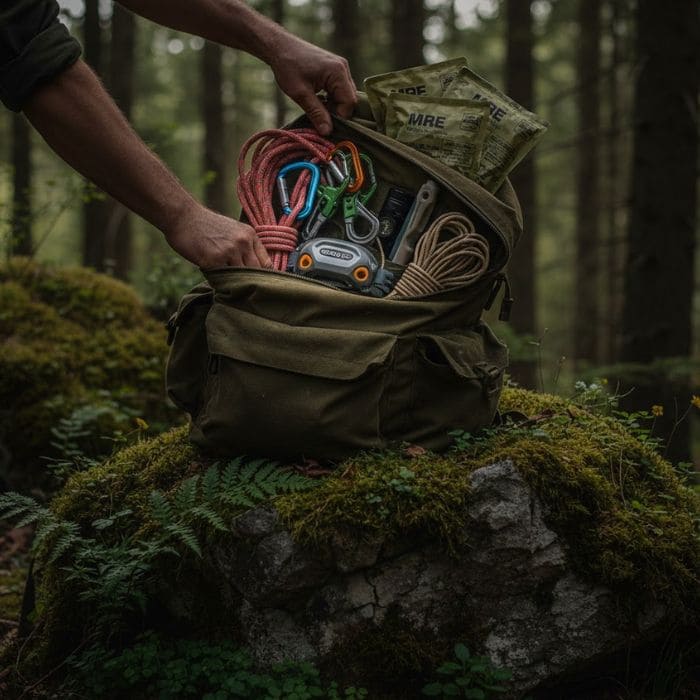
On one trip through Shoshone National Forest in Wyoming, we took a poorly marked forest road thinking it would loop back toward a known trailhead. It didn’t.
We weren’t panicked, but we were stuck longer than expected, deeper in forest than planned, with no fruit trees, no edible berries, and nothing around that offered quick help.
The terrain was dense, the weather cooling fast, and backtracking would have cost more time than pushing forward carefully.
That night, we found a large rock and opened an MRE. It wasn’t delicious, but it was grounding. It meant we could eat, think clearly, and wait for daylight without stress creeping into every decision.
Nuts, the Quiet Companion Food
We also always carry nuts, almonds, peanuts, mixed varieties, whatever’s simple and unsweetened. They don’t need refrigeration, don’t take much room, and they’ve quietly saved us on long driving days, early mornings, and late arrivals when cooking feels like too much effort.
Nuts aren’t exciting, but they’re reliable, and reliability is underrated when your energy fluctuates as much as it does on the road.
Snacks, Optional but Sometimes Perfect
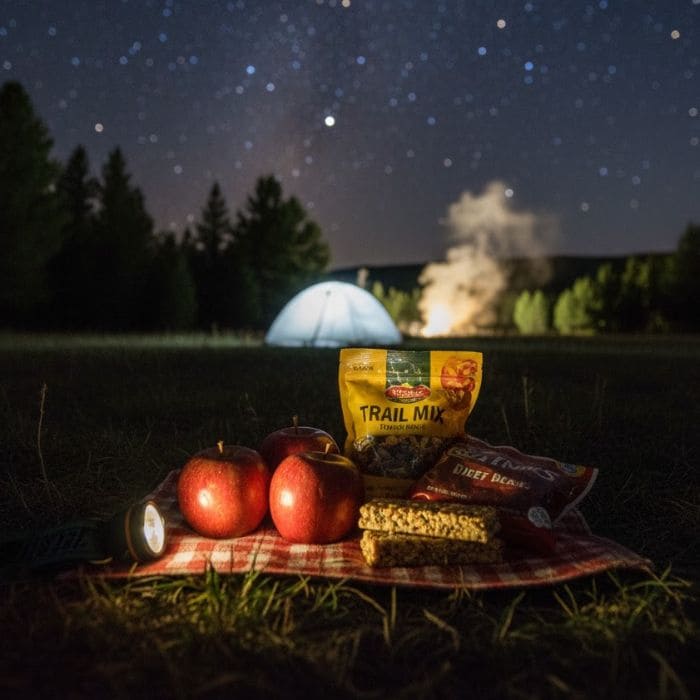
Snacks are optional, and we’re careful not to overdo them because they take up space quickly. Still, we usually bring a small amount, because some moments deserve them.
One night near Yellowstone, we camped under a sky so clear it felt unreal. The air was cold, the stars were sharp, and Amanda and I sat outside the van just watching the sky settle into darkness.
That’s when snacks feel worth it, not because you’re hungry, but because they turn a moment into a memory.
How We Shop Along the Way
We don’t try to carry everything from the beginning. Whenever we pass through a town, we stop, restock fresh items, and adjust based on how the trip is unfolding.
This approach keeps food from going bad and keeps us flexible, because van life punishes overplanning far more than underplanning.
What This All Comes Down To
At the end of the day, our van food system is built around flexibility, warmth, and peace of mind.
Frozen protein gives us stability. Fresh food keeps us feeling human. Root vegetables give us longevity. Emergency meals give us confidence when things don’t go as planned.
One additional thing we always prepare, even though it’s optional, is basic supplements and vitamins. Long trips, changing climates, inconsistent meals, and physical effort can wear your body down quietly.
We carry simple things like multivitamins, vitamin C, magnesium, and electrolyte packets, not as a replacement for good food, but as support when we’re under the weather, exhausted, or eating less balanced meals for a few days.
They don’t take much space, but they’ve helped us recover faster, sleep better, and stay steady when the road stretches longer than expected.